Cost and Lead Time for Color-Matched Specialty Label Stock
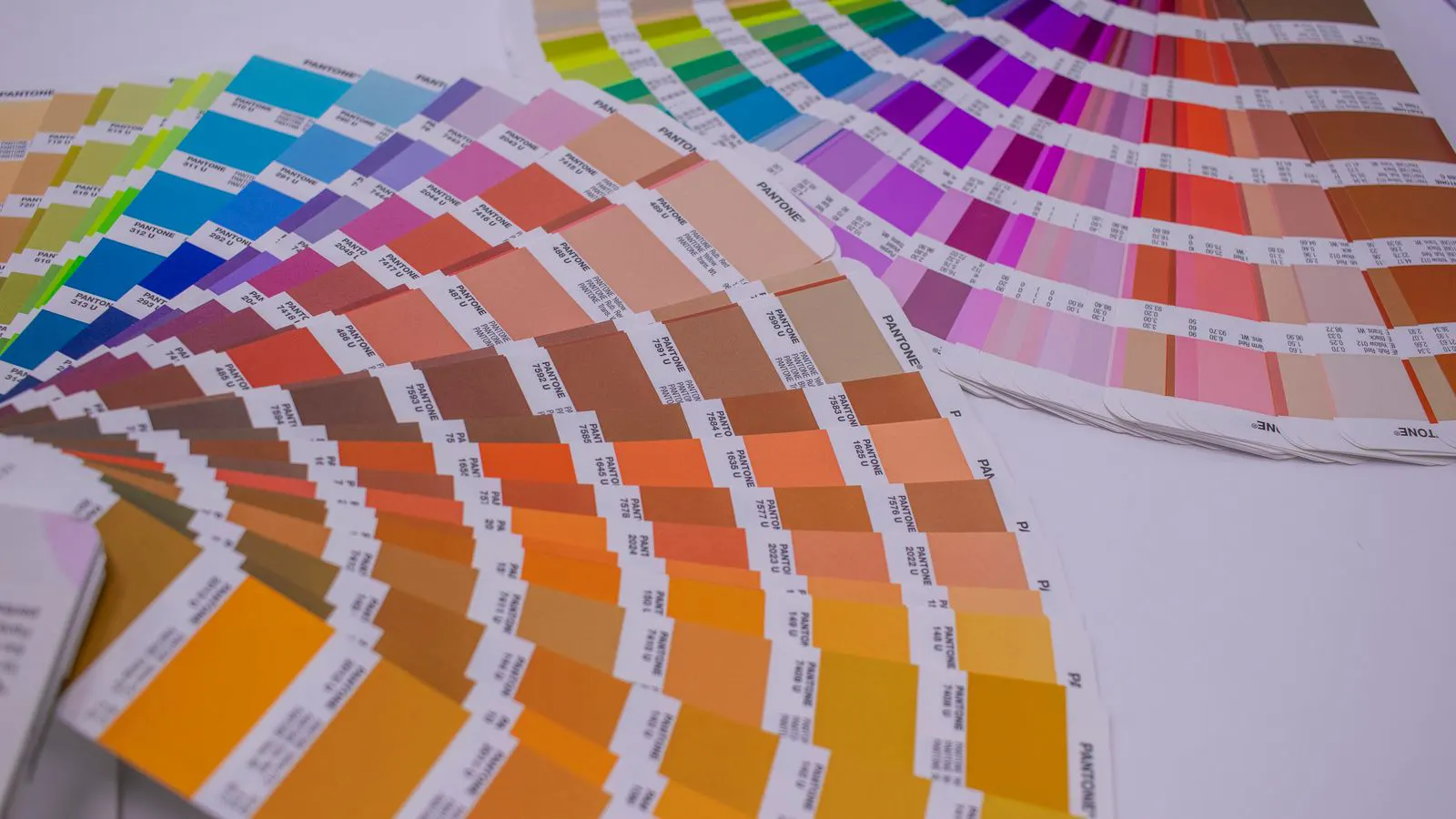
Color accuracy requirements drive specialty stock costs through material sourcing, printing methods, and approval workflows. Lead times extend when custom substrates require supplier lead times, sample validation, and reprints. Clear RFQs and standardized samples reduce surprises.
- Custom color-matched substrates increase cost because of material sourcing, print method, and validation steps.
- Lead time depends on substrate availability, sample approvals, and rework cycles.
- A precise RFQ with Pantone or CMYK references and tolerance targets improves quote comparison.
- Always request a physical sample before bulk order confirmation.
- Standardized stock reduces cost and shortens delivery when color matching is acceptable.
What drives cost for color-matched specialty label stock
Color accuracy is the primary cost driver when buyers request custom or color-matched substrates. Standard stocks use pre-validated inks, coatings, and printing processes that work across many jobs. Custom substrates require a different path. The printer must source a material, match a target color, validate the result, and often rework the job if the first sample misses tolerance.
Material choice sets the baseline. Coated paper, matte film, synthetic stock, or textured specialty paper each carry different base costs. A buyer requesting a deep navy blue on a matte synthetic substrate pays more than a buyer using a standard white coated stock. The substrate itself may be priced higher because it is ordered in smaller minimums, sourced from a limited supplier pool, or requires special finishing.
Printing method changes the cost structure. If the label needs a Pantone-matched spot color, the printer uses a dedicated plate or a dedicated ink station. That adds setup time and consumable cost. If the buyer accepts CMYK process color, the printer can use existing process plates and inks, which reduces setup. The difference is not just the ink. It is the calibration, the press setup, the drying time, and the inspection cycle.
Finishing adds another layer. Spot UV, matte lamination, or a custom laminate color can shift the final color. A matte laminate dulls brightness. A gloss laminate increases contrast. A custom laminate color adds a tint that must be matched to the substrate. Each of these steps adds cost and time.
How lead time changes with custom substrates
Lead time is not just printing time. It is the sum of sourcing, sample creation, approval, and production. For standard stock, a printer can start production quickly because the material is in stock and the color process is routine. For specialty stock, the timeline stretches.
The first delay is material availability. Specialty substrates are often ordered from suppliers with their own lead times. A matte synthetic stock in a custom thickness may take weeks to arrive. A textured paper in a specific shade may take longer. The printer cannot start production until the material is on the floor.
The second delay is sample approval. Most buyers require a physical sample before release to press. The printer creates a sample, measures the color, and sends it. The buyer reviews it. If the sample misses tolerance, the printer corrects it. Each correction cycle adds days. If the buyer is remote or slow to respond, the schedule slips.
The third delay is press setup. Matching a target color on press takes time. The printer runs the first sheets, checks the density, adjusts the ink, and rechecks. If the substrate is new to the press, the printer may need to adjust drying, curing, or registration. This is slower than running a standard stock that the press is already optimized for.
How to write a clear RFQ for specialty stock
A vague RFQ produces a vague quote. If a buyer asks for “a blue label” without specifying the target, the printer must guess. That guess becomes a sample. The sample costs time. The quote may be higher to cover the risk.
A clear RFQ names the substrate, the target color, the tolerance, and the acceptance method. The buyer should specify the Pantone code or the CMYK values if using process color. The buyer should state whether the target is a spot color or a process color. The buyer should define the tolerance in a measurable way, such as a Delta E value or a visual match under a specified light source.
The RFQ should also name the finishing. A label with no finishing is not the same as a label with a matte laminate. The laminate changes the color. The buyer should state the laminate type and whether the color target includes the laminate effect.
The RFQ should request a sample. It should state the number of samples, the format of the sample, and the approval deadline. It should state whether the sample is a physical press sample or a digital proof. A digital proof is fast but does not show the substrate texture, the ink sit, or the laminate effect. A physical press sample is slower but closer to the final job.
How to compare quotes fairly
Two quotes for the same label can look very different if the scope is not identical. One quote may include a physical press sample. Another may only include a digital proof. One may use a standard coated stock. Another may use a specialty stock that is not in stock. One may include rework. Another may charge for rework separately.
The buyer should compare the quotes on the same basis. The substrate type, thickness, and coating should match. The color target should match. The finishing should match. The sample type should match. The tolerance should match. If the quotes differ on any of these points, the buyer should ask the printer to adjust the scope or provide a revised quote.
The buyer should also compare the total cost, not just the per-unit cost. The setup fee, the sample fee, the plate fee, and the finishing fee all add up. A lower per-unit price can become a higher total if the setup fee is high. A higher per-unit price can become a lower total if the setup fee is low and the per-unit price is close.
The buyer should also compare the lead time. A quote with a short lead time may cost more because the printer uses expediting or premium material. A quote with a long lead time may cost less because the printer can batch the job with other work. The buyer should state the required delivery date in the RFQ and ask the printer to confirm the date in writing.
What to do when the sample misses tolerance
A sample that misses tolerance is a common part of specialty label work. The buyer should not panic. The buyer should document the miss. The buyer should state the specific problem. Is the color too light? Too dark? Too warm? Too cool? Is the issue with the substrate, the ink, or the laminate?
The buyer should ask the printer for a corrected sample. The printer should explain what changed. The buyer should approve the corrected sample in writing. The buyer should not approve a sample verbally if the final job is high value. A written approval protects both sides. It states the target, the sample, and the acceptance.
The buyer should also ask about the risk of rework. If the first press run misses tolerance, who pays for the rework? The RFQ should state this. Some printers include one rework cycle. Some charge for every rework. The buyer should know before the job starts.
How standard stock changes the cost and lead time picture
When color accuracy requirements are flexible, standard stock reduces cost and shortens lead time. A buyer who accepts a close match to a Pantone color instead of an exact match can use process color. A buyer who accepts a standard white substrate instead of a tinted substrate can use stock that is in the warehouse. A buyer who accepts a digital proof instead of a physical press sample can move faster.
This does not mean the label will look worse. It means the cost and schedule are more predictable. The printer has less risk. The buyer has less uncertainty. For many projects, a close match is good enough. For others, the exact match is non-negotiable. The buyer should make that call early.
Cost drivers table
| Cost driver | What changes price | Typical impact |
|---|---|---|
| Substrate type | Specialty or custom material versus standard stock | Higher base material cost and sourcing time |
| Color target | Spot Pantone versus CMYK process | Spot color adds setup and plate cost |
| Finishing | Laminate type and color | Custom laminate adds cost and color shift |
| Sample type | Digital proof versus physical press sample | Physical sample adds time and press setup |
| Tolerance level | Tight Delta E versus visual match | Tight tolerance adds inspection and rework risk |
| Minimum order | Small run versus bulk run | Small runs have higher per-unit setup cost |
A numbered checklist for a cleaner quote cycle
- Name the substrate, thickness, and coating in the RFQ.
- State the color target as a Pantone code or CMYK values.
- State whether the color is a spot color or a process color.
- State the tolerance, such as a Delta E value or a visual match standard.
- State the finishing, including laminate type and effect.
- Request a sample and state the approval deadline.
- State the required delivery date and ask the printer to confirm it.
- Ask what is included in the setup fee and what is billed separately.
- Ask who pays if the first press run misses tolerance.
- Get all approvals in writing before release to press.
The bottom line for buyers
Color accuracy, cost, and lead time are connected. A buyer cannot change one without affecting the others. A tighter color target increases cost and extends lead time. A looser color target reduces cost and shortens lead time. A custom substrate increases cost and extends lead time. A standard substrate reduces cost and shortens lead time.
The buyer who controls the scope controls the outcome. A clear RFQ, a defined tolerance, a written sample approval, and a confirmed delivery date reduce the risk of surprise. The printer who receives a clear brief can quote with confidence. The buyer who receives a clear quote can plan the budget and the schedule.
The goal is not to make the process complicated. The goal is to make it predictable. When the buyer and the printer agree on the target, the sample, and the tolerance, the job moves forward without surprises. The cost is known. The lead time is known. The color is what the buyer asked for.
Frequently asked questions
Can I use a digital proof instead of a physical press sample to save time?
Yes, if the substrate and finishing are standard and the color target is process color. For specialty substrates, spot colors, or custom laminates, a physical press sample is safer because it shows the actual ink sit and material effect.
How much does a custom substrate add to the cost?
It depends on the material, the minimum order, and the supplier. Specialty stocks are often priced higher because they are ordered in smaller quantities and sourced from a limited pool. The setup and sample costs also increase.
What is a typical lead time for a color-matched specialty label?
It varies by material and complexity. Standard stock jobs can start quickly. Specialty stock jobs add sourcing time, sample creation, and approval cycles. A tight delivery date should be stated in the RFQ and confirmed in writing.
What should I do if the sample color is slightly off?
Document the specific miss and ask for a corrected sample. State the tolerance and the acceptance method. Do not approve the sample until it meets the defined target. Get the approval in writing.
Can I reduce cost by accepting a close color match?
Yes. If the exact Pantone match is not required, a process color or a close match can reduce setup cost and shorten lead time. This works well when the label is used in a context where a small variation is acceptable.