
Adhesive Labels
Checklist for Label Selection in High-Temperature Processes
A reliable label selection guide requires verifying substrate heat limits, adhesive stability, ink performance, and mechanical durability. This checklist helps buyers
Practical label and packaging printing guidance for buyers and engineers.
Buyers selecting label and packaging print suppliers need clear answers on substrates, inks, adhesives, finishing, color control, and quality checks. This site provides plain-language guides that connect technical specs to real procurement decisions.
The content covers adhesive label production, packaging printing, finishing options, quality control, and cost structures. It helps readers compare supplier capabilities, define print-ready requirements, and avoid common specification errors during sourcing.
Start with the stage of the sourcing process you are in.
Explore label materials, adhesives, and applications to select the best options for your products.
Learn about printing methods and packaging options to design effective and durable product packaging.
Understand ink technologies and substrate compatibility to ensure quality and long-lasting print results.
Discover finishing techniques and embellishments that enhance the look, feel, and functionality of labels.
Get insights into color accuracy, quality control, and standards for consistent and reliable printing.
See how pricing, minimum order quantities, and bulk discounts affect your label and packaging projects.
Find practical advice on evaluating and selecting a reliable label and packaging printing partner.
A reliable label selection guide requires verifying substrate heat limits, adhesive stability, ink performance, and mechanical durability. This checklist helps buyers

This guide provides a practical audit checklist for verifying substrate coatings. It covers surface energy, coating chemistry, and ink types to help prevent adhesion

UV coating offers immediate high-gloss protection and strong scratch resistance, ideal for retail and outdoor labels. Water-based coating provides a lower odor

Verify print quality control by matching digital proofs to physical samples using calibrated monitors, spectrophotometers, and standardized lighting. This process

Foil stamping defects appear as uneven metallic patches or missing areas on labels. This guide lists common symptoms, likely causes, and fixes in a table. It also covers
The minimum order quantity sets the baseline volume for a label run. It drives setup costs, material pricing, and delivery speed. For small batch pricing, vendors often

Label lamination types include gloss, matte, and UV. Each finish changes how a label handles wear, light, and handling. Understanding these differences helps buyers
A structured checklist helps teams verify packaging design, printing methods, and material compatibility before production. It covers ink selection, substrate prep
Water-based vs solvent inks differs in drying method, substrate tolerance, environmental impact, and long-term durability. The right choice depends on your packaging
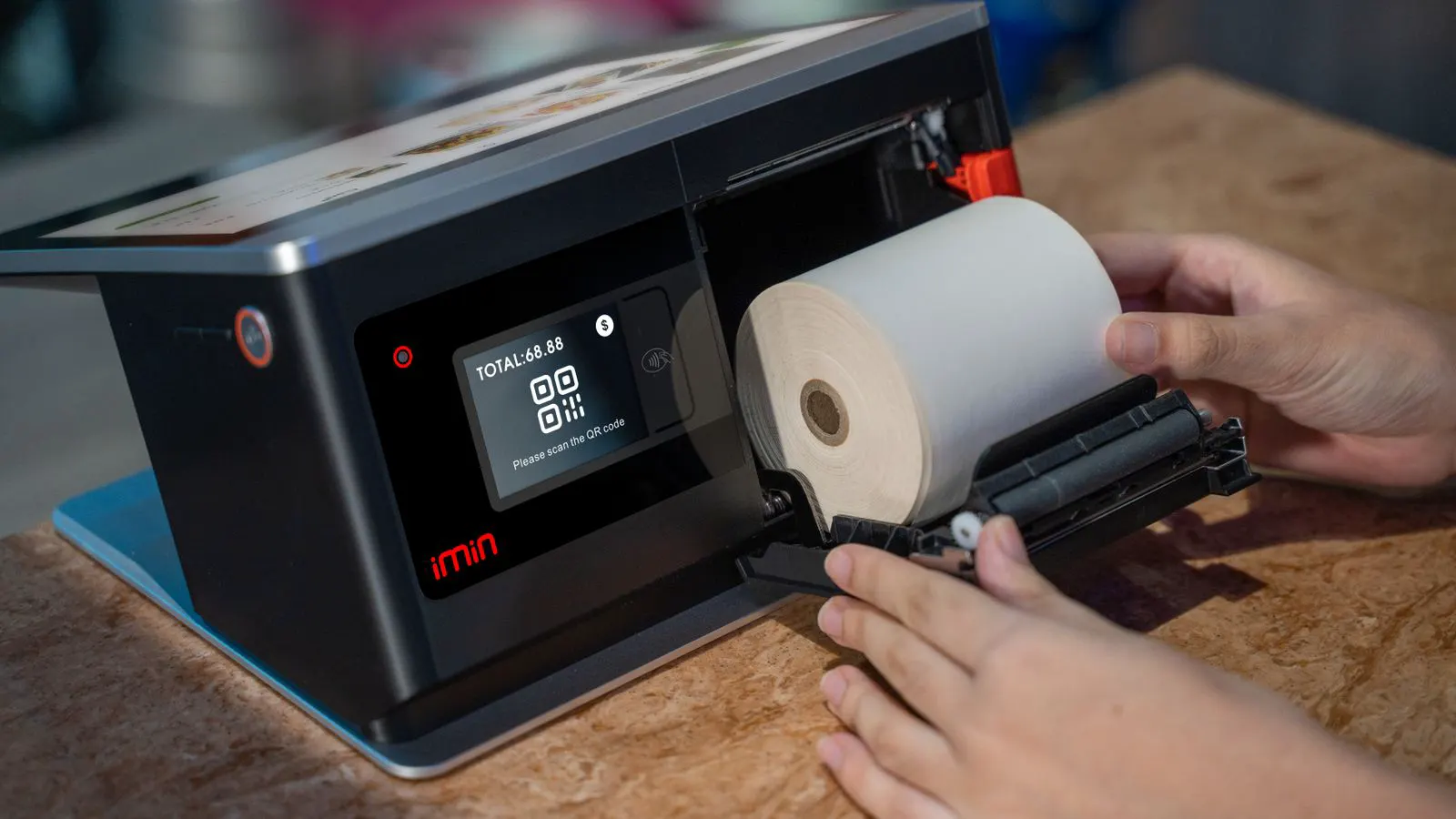
Direct thermal offers lower upfront cost but limited durability, while thermal transfer provides longer shelf life at higher running costs. The right choice depends on
Verify bleed, trim, and safe margins. Confirm color space, resolution, and that all text and barcodes are vector-based. Request a digital proof for approval before production begins.
Consider environmental exposure, shelf life, and handling. Direct thermal is faster and cheaper for short-term use. Thermal transfer offers better durability for outdoor or chemical exposure.
Lamination, varnish, spot UV, and embossing add protection and visual impact. Choose lamination for scratch or moisture resistance. Spot UV highlights specific design elements.
Require a printed proof signed off by both parties. Request spectral color readings or Pantone-matched inks for critical jobs. Specify tolerance levels in the work order.
Minimum order quantities vary by substrate, finish, and production method. Small runs cost more per unit. Bulk orders reduce unit price but require more storage space.
Request samples of past work. Ask about press types, ink certifications, and quality check processes. Visit the facility if possible. Check references from similar projects.