Explainer: How Ink Types Affect Packaging Durability
Packaging printing methods depend on ink chemistry. Ink types determine how well a package resists moisture, heat, and handling. The right choice protects product and brand.
- Ink chemistry determines how a package handles moisture, heat, and abrasion.
- Water-based inks suit food contact but may need UV or heat cure to harden.
- Solvent and oil-based inks resist chemical exposure but carry environmental and odor limits.
- Surface preparation and substrate choice directly affect ink adhesion and long-term durability.
- Matching the packaging printing method to the intended use is a sourcing decision, not just a design preference.
What Makes Ink Types Matter for Durability
Packaging printing is not only about color and branding. The ink layer is one of the first things a package meets in a warehouse, a store, or a consumer home. A label that looks sharp on a proof can fail when exposed to condensation, heat, or repeated handling. The ink type defines how that failure happens.
Ink chemistry controls adhesion, drying time, and chemical resistance. It also affects how the package ages. A package designed for cold storage behaves differently from one shipped in summer heat. The printing method and ink must work together to keep the label intact, legible, and compliant with food or cosmetic rules.
How Ink Types Affect Packaging Design
Packaging design decisions start long before the artwork is finalized. The chosen ink restricts or enables certain visual effects. For example, a high-gloss finish may require an oil-based or UV-cured ink to avoid smudging during transport. A matte finish often pairs well with water-based inks but may need a protective topcoat if the package will be handled often.
Designers must also consider the substrate. Ink behaves differently on polypropylene, paper, glass, or aluminum. A flexible packaging label printed on a polyethylene film reacts to a solvent ink very differently than the same ink on a paperboard label. The substrate affects how the ink bonds, how it cures, and how it withstands environmental stress.
What Is the Difference Between Water-Based, Solvent, and Oil-Based Inks
Water-based inks use water as the carrier. They are common in food and beverage packaging because they have low odor and fewer volatile organic compounds. They dry quickly at room temperature or with heat. However, they can be sensitive to moisture after drying unless a UV or heat cure is applied.
Solvent inks use organic solvents to carry the pigment. They penetrate flexible films and offer strong adhesion and chemical resistance. They are often used for over-wrap labels and high-abrasion environments. The trade-off is odor, safety controls, and environmental regulations.
Oil-based inks use mineral or vegetable oils as carriers. They dry slowly and resist water well. They are often used where the package will face moisture or where a long drying time is not a problem. They are less common in food contact applications unless formulated for that use.
How Ink Choice Changes Sourcing and Production
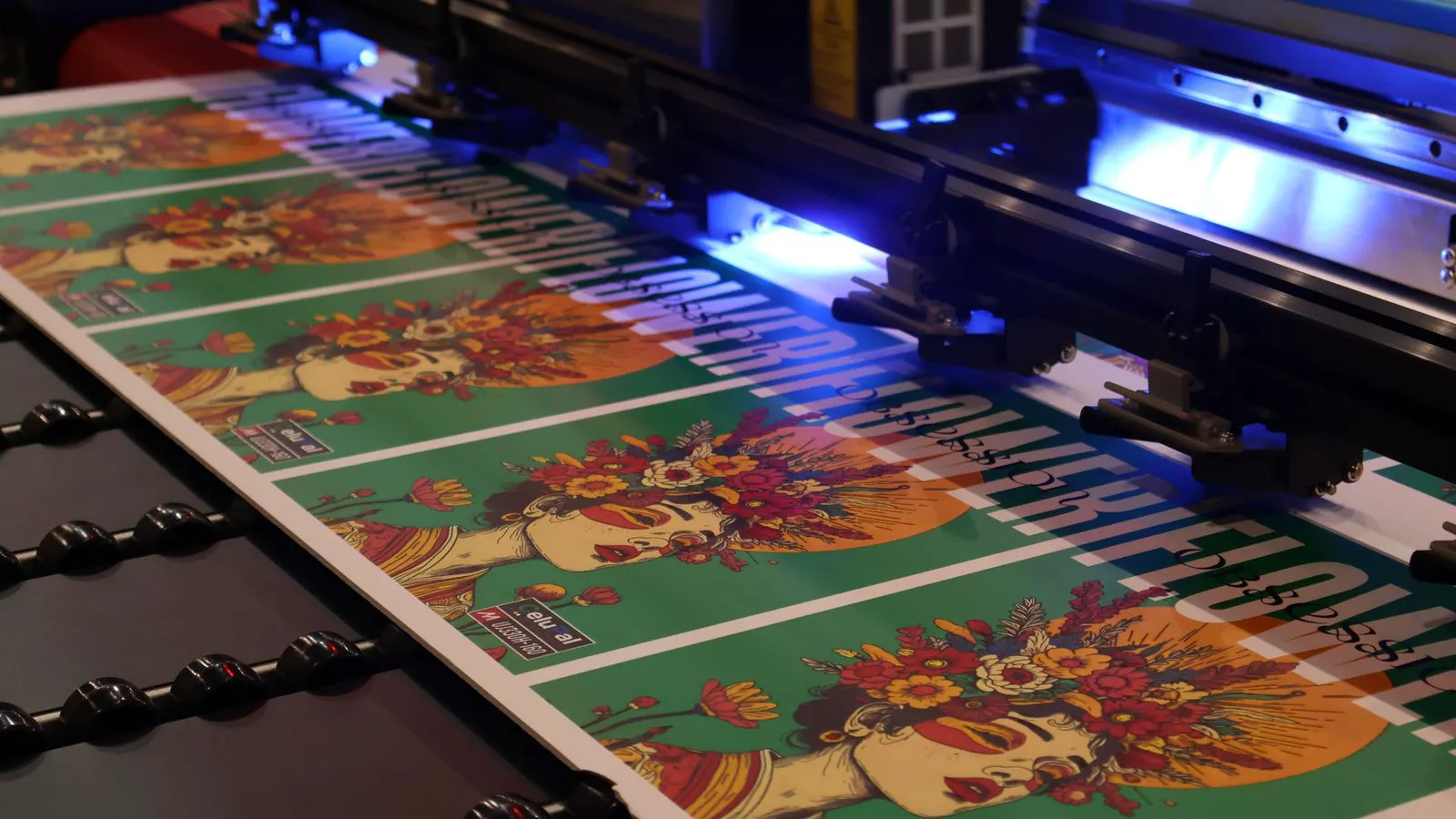
The packaging printing method you select must match the ink. Flexo uses a rubber blanket and a flexible ink film. Offset uses a plate and a dampening solution. UV curing uses a lamp to harden the ink. Each method has limits. A flexo plant may not handle a UV ink well. An offset press may struggle with a heavy solvent ink.
Sourcing decisions include checking the supplier’s capability to cure the ink properly. A label that needs a UV cure must pass through a lamp at the right temperature and speed. A label that needs a heat cure requires a controlled drying zone. The production environment must support the ink. If the plant cannot deliver the right conditions, the durability claim in the spec sheet is meaningless.
A Worked Example: A Cold Storage Label
Consider a label for a frozen food case. The case moves from a freezer to a delivery van to a retail cooler. The label must survive temperature swings, condensation, and handling. The package substrate is a paperboard with a polypropylene film.
The design calls for a matte finish and a small amount of spot gloss. A water-based ink is selected for the base color because of low odor and food contact. A UV-cured clear ink is used for the spot gloss. The UV cure hardens the ink and resists smudging. The label passes a tape test and a condensation test in the lab.
In production, the label is printed on a flexo press. The plant uses a UV lamp at the end of the line. The label is then laminated to the case. The result is a label that stays legible through freezer cycles. If the plant had skipped the UV cure, the gloss would have smeared and the label would have failed in the cooler.
How Ink Affects Regulatory and Environmental Compliance
Ink type affects compliance. Food contact packaging must use inks that meet safety standards for migration. Cosmetic and pharmaceutical packaging often has stricter rules. The ink formulation must be documented. The supplier must provide a material safety data sheet and a migration test report if required.
Environmental rules also shape ink choice. Water-based inks are often preferred for lower environmental impact. Solvent inks are restricted in some regions. UV inks require careful disposal of lamps and filters. The sustainability goal of the brand must align with the ink and the printing method. A label that is difficult to recycle because of a heavy ink or a thick topcoat may not meet a recycling target.
How to Test Ink Durability Before Production
Durability testing is part of packaging printing. The lab applies a series of tests to a printed sample. The tape test checks adhesion. The scratch test checks abrasion. The condensation test checks moisture resistance. The UV exposure test checks color shift. The heat cycle test checks delamination.
The test parameters must match the real use. A label for a hot beverage bottle needs a different test profile than a label for a frozen food case. The test conditions should reflect the worst case the package will face. The results are compared to the acceptance criteria in the spec. If a test fails, the ink or the process must be adjusted before the full run.
What Are the Common Mistakes in Ink Selection
The most common mistake is choosing an ink for cost alone. A cheap ink may save money on the print run but fail in the field. The label peels, smudges, or fades. The cost of replacement and customer complaints is higher.
Another mistake is ignoring the substrate. An ink that works on paperboard may not work on a flexible film. The surface energy of the substrate must match the ink. A substrate with low surface energy may need a primer or a corona treatment before printing. If the treatment is skipped, the ink will not bond well.
A third mistake is not testing the final process. A lab sample may look perfect, but the production line may not cure the ink properly. The temperature, speed, and lamp power must be controlled. The production environment must match the lab conditions. If it does not, the final label will not meet the durability spec.
Frequently asked questions
Which ink type is best for food packaging?
Water-based inks are often used for food packaging because they have low odor and fewer volatile organic compounds. A UV or heat cure may be needed to improve moisture resistance.
Can I use a water-based ink on a flexible film?
Yes, but the film surface must be prepared. A low surface energy film may need a primer or a corona treatment for the ink to bond well.
What is the difference between a UV ink and a water-based ink?
A UV ink cures with light and hardens quickly. A water-based ink cures by evaporation or heat. UV inks often resist moisture and abrasion better.
How do I know if an ink will meet compliance?
Check the material safety data sheet and any migration test reports. The ink formulation must be approved for the intended use and region.
What should I ask a printer before choosing an ink?
Ask about the curing process, the substrate preparation, and the durability tests they can run. The printer must be able to match the conditions in the spec.