What Is Hot Foil Stamping for Label Printing?

Hot foil stamping applies heat and pressure to transfer a metallic or colored layer onto a label surface. It creates a durable, high-contrast finish that distinguishes premium B2B products from standard printed stock.
- Hot foil stamping uses a heated die and pressure to bond a thin metallic film to the substrate.
- Die quality and material compatibility directly affect the sharpness and durability of the finished label.
- Sourcing decisions must account for die preparation, substrate preparation, and post-stamping inspection.
- Foil application requires controlled pressure and temperature to prevent tearing, smudging, or poor adhesion.
- The technique suits premium B2B labels where tactile and visual differentiation drives brand perception.
How hot foil stamping works
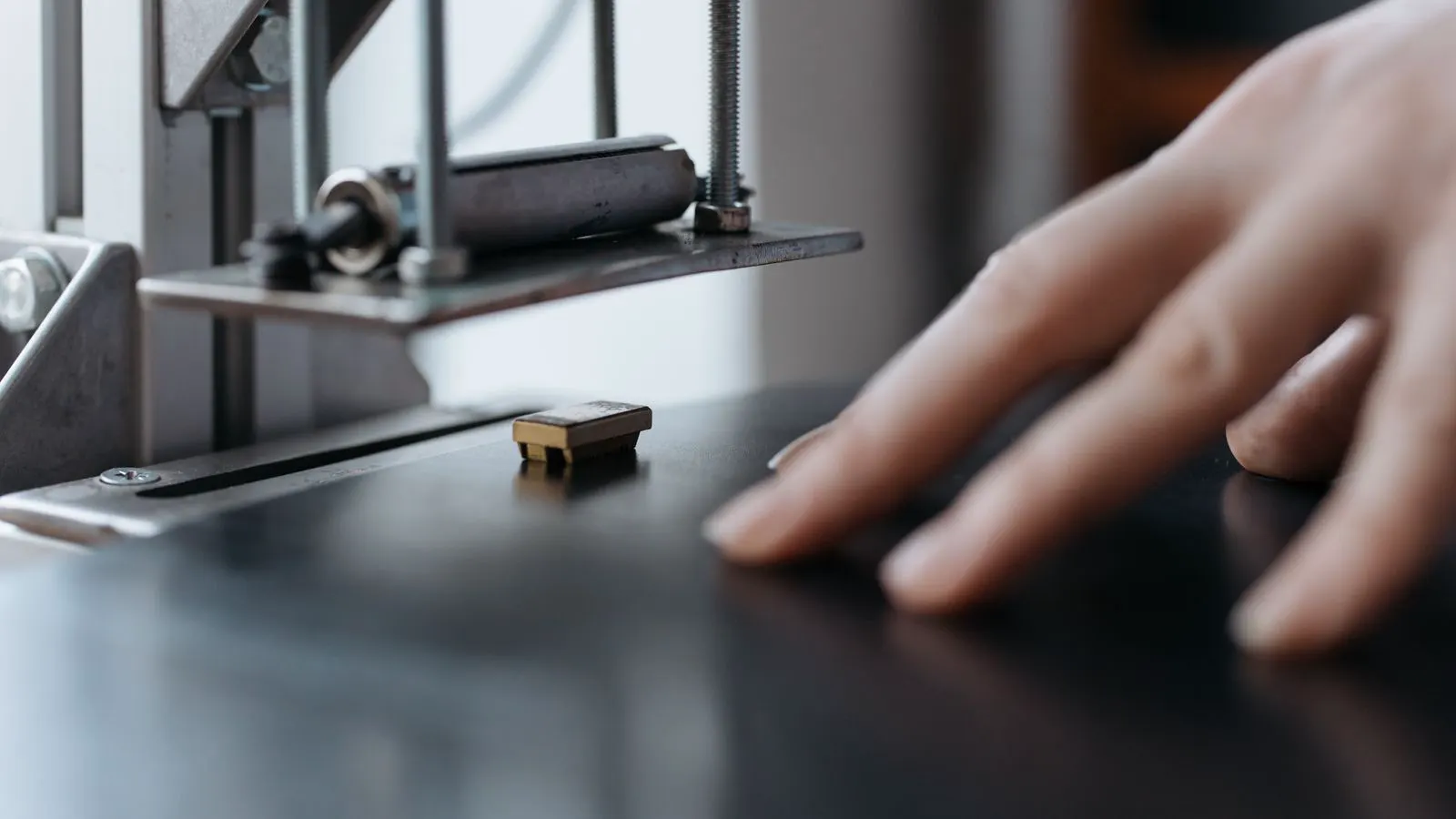
Hot foil stamping is a finishing technique that transfers a thin metallic or colored film onto a label surface using heat and pressure. The process starts with a die, a cut tool that holds the shape of the design. The die touches the label through a foil carrier. Heat softens the adhesive backing on the foil. Pressure pushes the foil into the recessed areas of the die. When the die lifts, the foil remains on the label in the exact shape of the cut.
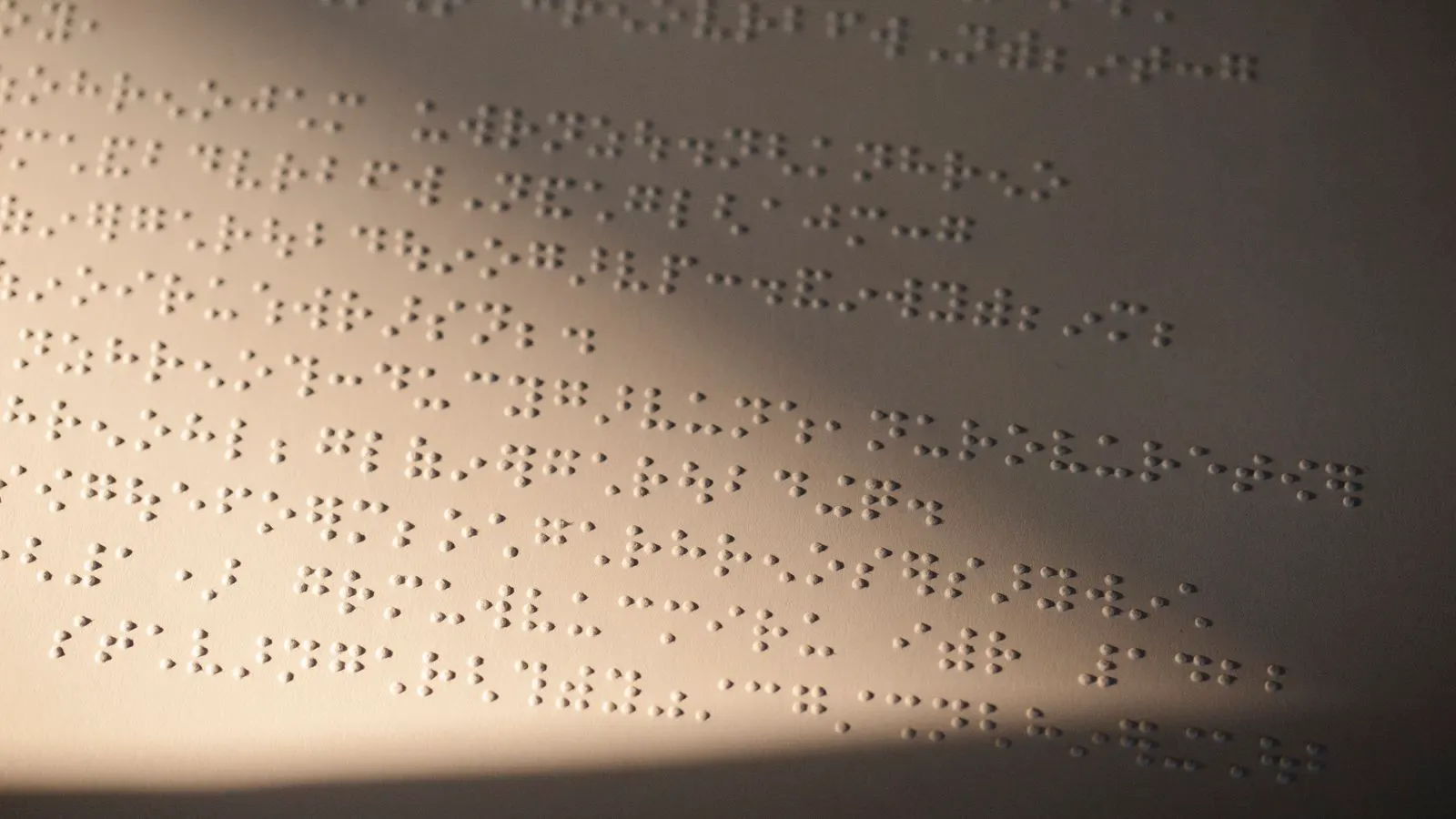
The result is a raised, reflective layer that contrasts sharply with the base label. This contrast is what makes the technique popular for premium B2B labels. The finish feels different under the fingers and catches light from multiple angles.
The process is mechanical, not chemical. There is no ink curing, no UV exposure, and no liquid coating. The only variables that change the outcome are the die, the foil type, the substrate, the temperature, and the pressure.
What materials are involved in foil application
Three core materials drive the outcome of any hot foil stamping job. The substrate is the base label material. It can be paper, film, or synthetic. The foil is a thin metal layer backed with heat-sensitive adhesive. The die is the cutting tool, usually made from brass, copper, or a composite material.
The substrate must be able to hold the foil without delaminating. Some papers absorb the heat too quickly and scorch before the adhesive bonds. Some films resist adhesion unless the surface is primed or textured. The choice of substrate changes the temperature and pressure settings required for a clean transfer.
The foil comes in metallic and non-metallic variants. Metallic foils include gold, silver, copper, and black. Non-metallic foils can appear matte, textured, or pearl. Each foil has a different melting point and adhesive strength. The supplier must match the foil to the substrate and the desired tactile feel.
The die determines the shape and sharpness of the transfer. A poorly cut die produces soft edges, missed details, or gaps in the foil. A well-made die holds fine lines and small text. The die material also affects heat transfer. Brass conducts heat efficiently but wears over time. Copper holds fine detail but dulls quickly.
How die quality affects label foil embellishment
Die preparation is the most common source of poor foil results. If the die is not cut to the exact depth of the design, the foil will not sit flat on the label. Shallow cuts leave faint, patchy areas. Deep cuts can tear the substrate or the foil itself.
Die makers use laser cutting or CNC milling to create the tool. Laser cutting is faster and handles fine details well. CNC milling offers more control over edge angles. The choice between the two depends on the complexity of the artwork and the run size.
The die must be inspected before the first foil pass. A magnifying glass or microscope reveals burrs, nicks, and uneven edges that will show up in the finished label. Many buyers skip this step and discover the problem only after a full run.
Die maintenance matters as much as die creation. Foil residue builds up on the die surface over hundreds of passes. This residue changes the heat transfer and creates a dull, uneven finish. Regular cleaning with the recommended solvent keeps the die sharp.
How temperature and pressure control the finish
The press must deliver consistent heat and pressure across the entire label area. A typical hot foil stamping press uses a heated platen or a heated die. The temperature ranges from low to moderate heat, depending on the foil adhesive. Too little heat leaves the adhesive unactivated, and the foil transfers only partially. Too much heat burns the substrate or melts the foil too quickly, causing smearing.
Pressure must be firm enough to bond the adhesive but not so high that it pushes the foil into the substrate. Uneven pressure creates a gradient in the finish. One side of the label may be sharp and bright, while the other side is dull and faint.
The press operator adjusts these settings based on the substrate thickness, the foil type, and the die material. A thin paper label needs less pressure than a thick synthetic film. A matte foil needs more heat than a glossy metallic foil.
The press also needs to hold position. If the label shifts during the stamp, the foil will be off-center or misaligned. Registration is the alignment between the foil and any pre-printed elements on the label. Poor registration ruins the visual impact of the finish.
How foil application interacts with other finishing techniques
Hot foil stamping is often combined with other finishing techniques to create a layered effect. Debossing or embossing is a common pairing. Debossing presses the substrate inward to create a recessed area. Embossing raises the substrate outward. When foil is stamped over a debossed or embossed area, the foil fills the recess or sits on the raised surface. The result is a three-dimensional finish with both visual and tactile depth.
Lamination is another common pairing. A protective laminate applied over the foil protects the metallic layer from abrasion and chemical exposure. The laminate must be chosen to match the foil type. Some laminates dull the shine of metallic foils. Others add a matte or gloss effect that changes the perceived color.
The order of operations matters. Foil is usually applied after printing and before lamination. If the laminate is applied first, it acts as a barrier and prevents the foil adhesive from bonding to the substrate. If the foil is applied after lamination, the press must work through the laminate, which requires higher pressure and can damage the die.
A worked example: premium B2B label for industrial equipment
Imagine a B2B supplier producing labels for a line of industrial pumps. The label base is a synthetic film that must withstand chemical exposure and temperature changes. The design includes the company logo, a model number, and a small warning symbol. The goal is a premium finish that signals reliability to end users.
The production team selects a gold metallic foil for the logo and a black matte foil for the warning symbol. The die is made from brass because the logo contains fine lines that require precise heat transfer. The substrate is coated with a primer to improve foil adhesion.
The press is set to a moderate temperature and firm pressure. The first foil pass is checked under magnification. The logo edges are sharp. The warning symbol is solid and even. A debossed area is added around the logo to create depth. The foil fills the recess and catches the light from above.
A protective laminate is applied after the foil. The laminate is chosen to maintain the gold shine and protect the foil from abrasion. The finished label feels smooth under the fingers. The metallic logo stands out against the matte background. The debossed area adds a tactile element that distinguishes the label from standard printed stock.
The buyer receives a sample before the full run. The sample is checked for edge sharpness, color consistency, and adhesion. The sample passes inspection. The full run proceeds. Each label is checked at the end of the line for registration and foil coverage. Any label with a faint edge or a missing area is rejected.
Sourcing decisions and quality checks
When sourcing a hot foil stamping service, the buyer must define the material requirements clearly. The substrate type, thickness, and surface finish must be specified. The foil color, texture, and weight must be listed. The die material and any debossing or embossing requirements must be included in the job spec.
The supplier should provide a digital proof and a physical sample. The digital proof shows the design layout. The physical sample shows the actual foil transfer, die quality, and adhesion. The sample must be checked under raking light to reveal any unevenness or gaps.
The buyer should also ask about post-stamping inspection. A reputable supplier inspects each label or a statistical sample for defects. The inspection criteria should include edge sharpness, foil coverage, registration, and adhesion. The supplier should provide a defect rate and a rework policy.
The lead time for die preparation must be included in the schedule. Die making takes time, and any changes to the artwork after the die is cut require a new tool. The buyer should lock the artwork before ordering the die.
The cost of hot foil stamping depends on the die complexity, the foil type, the substrate, and the run size. Short runs with complex dies are more expensive per unit than long runs with simple designs. The buyer should compare quotes based on the total cost of the job, not just the per-unit price.
The technique is well suited for labels that need to stand out in a competitive B2B market. It adds a premium feel without the cost of complex printing processes. The key is to control the variables from die preparation to final inspection.
Frequently asked questions
What is the difference between hot foil stamping and cold foil stamping?
Hot foil stamping uses heat and pressure to activate the foil adhesive. Cold foil stamping uses pressure and a special adhesive that bonds without heat.
Can hot foil stamping be used on plastic labels?
Yes, but the plastic surface must be compatible with the foil adhesive. Some plastics require a primer or a textured surface to ensure proper bonding.
How long does a foil stamping die last?
Die life depends on the material, the substrate, and the number of passes. Brass dies can last through hundreds of passes if cleaned regularly. Copper dies may need replacement sooner due to wear.
What happens if the foil does not bond properly?
The foil may peel, flake, or appear dull. This can happen if the temperature is too low, the pressure is uneven, or the substrate surface is incompatible.
Is hot foil stamping suitable for small runs?
It can be, but the cost per unit is higher for short runs because the die preparation cost is spread over fewer labels. The technique is most cost-effective for medium to long runs.