Cost and Lead Time for Foil Stamping vs. Digital Printing
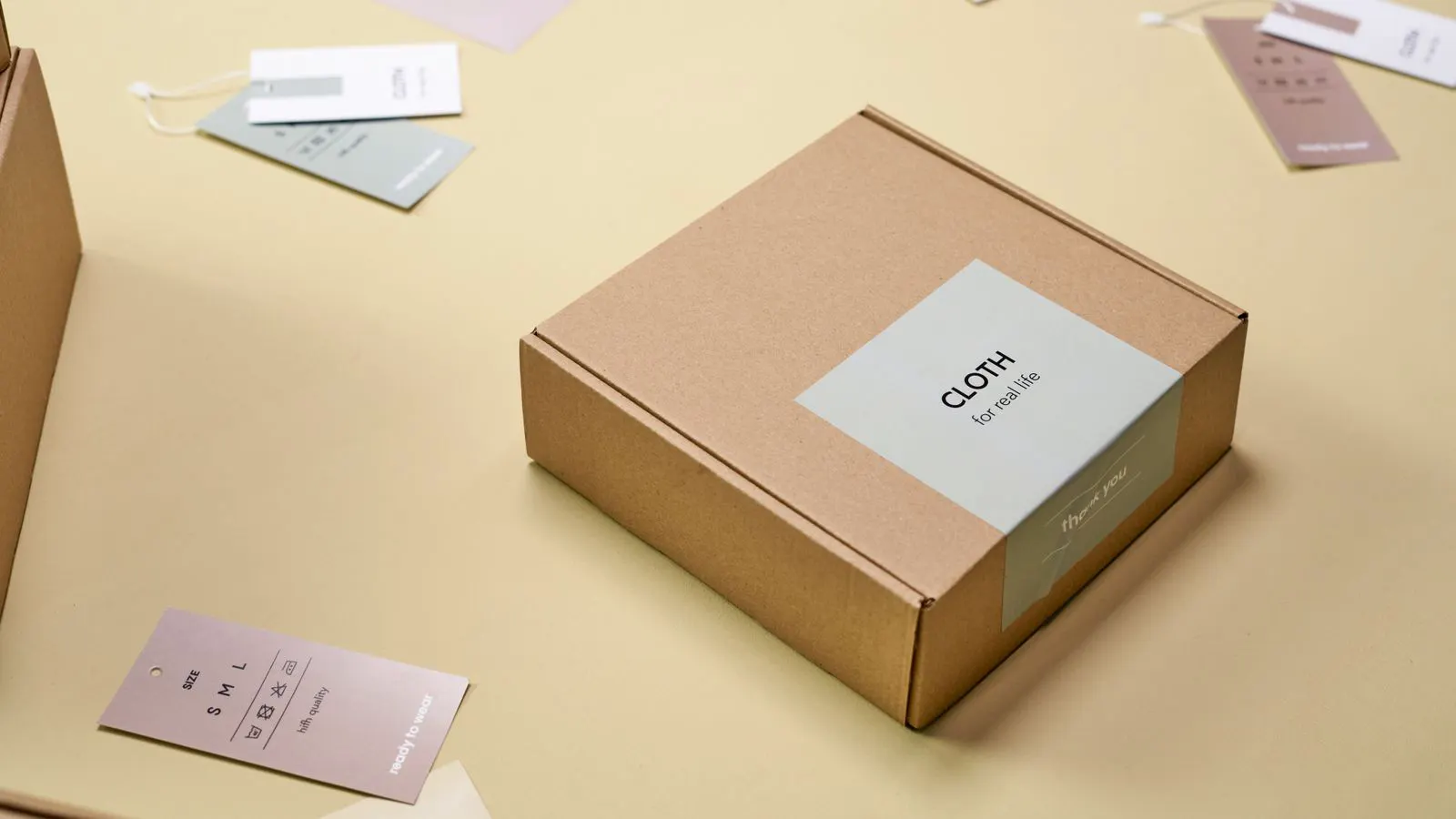
Foil stamping cost and digital printing differ significantly in schedule and price. Foil stamping requires longer lead time for die creation and finishing setup. Digital printing offers shorter turnaround but higher per-unit costs for large runs. Accurate budgeting labels depends on run volume, substrate, and design complexity.
- Foil stamping cost is driven primarily by die creation, foil type, run volume, and substrate thickness.
- Embossing lead time extends due to die tooling and proofing cycles before production begins.
- Digital printing reduces setup time but increases unit cost, making it better suited for short runs or complex variable data.
- Clear RFQs with specifications and artwork files reduce quote variance and improve comparison accuracy.
- Finishing pricing varies by supplier based on equipment, materials, and minimum order requirements.
What Drives Foil Stamping Cost
Foil stamping cost depends on more than the foil itself. The price structure includes die creation, machine setup, foil consumption, and labor. A single-color foil stamp on a small label may cost only a fraction of the total, but multiple colors or complex shapes change the equation quickly.
Die creation is the first major expense. Each unique foil area requires a dedicated die, usually cut from hard tooling materials. The die is a physical stamp that holds the foil pattern. If a design includes three distinct foil zones, three dies may be needed. Each die carries its own cutting and finishing cost.
Foil type affects cost. Metallic foils are standard, but specialty foils such as soft-touch, textured, or high-temperature varieties carry higher prices per meter. The substrate matters too. Rigid labels, thick paper, or textured films can increase stamping pressure needs and wear on the die, which can raise the per-unit cost.
Machine time is calculated in hours or per impression. Faster presses reduce labor cost per label, but setup time remains fixed. Changing foil colors or dies mid-run adds time. Short runs spread the fixed setup cost over fewer units, so the per-unit price rises.
How Embossing Lead Time Differs from Digital Printing
Embossing lead time is longer than digital printing. The bottleneck is not the printing process but the tooling. Before production starts, a supplier must receive the artwork, create a die, cut a proof, and approve the proof. This cycle can take days to weeks depending on design complexity.
Digital printing skips the die entirely. The design goes directly to the digital press as a vector file. There is no physical tooling to cut. Proofing happens on screen or via a quick digital sample. This removes the longest part of the finishing schedule.
A typical finishing job that includes foil stamping might require a longer window from artwork approval to final delivery. If the deadline is tight, digital printing offers more flexibility. For large runs with fixed designs, the longer lead time for foil stamping is often acceptable because the per-unit cost drops.
The schedule also depends on the supplier’s production queue. High demand periods can add waiting time for both methods. Digital presses may be shared across multiple customers, so even without tooling, there can be a wait for press time.
How to Write a Clear RFQ for Finishing
A clear RFQ reduces quote variance and helps you compare offers fairly. Start with the substrate. Specify the material type, thickness, and any coating. A 150 gram paper label behaves differently from a 200 micron poly film.
Next, describe the artwork. Include the number of foil colors, the size of each foil area, and any embossing depth requirements. If the design has fine lines or small text, note that. Thin foil areas can tear or misalign, which may require slower press speeds or higher quality tooling.
List the run quantity. A quote for 500 units differs from a quote for 50,000 units. If you have a fixed minimum order, state it. If you need a sample run before the main production, include that as a separate line item.
Specify the finishing sequence. If the label needs cutting, lamination, and then foil stamping, the order matters. Foil stamping before lamination can look different from stamping after. State the desired sequence so the quote reflects the actual process.
Finally, ask for a breakdown of costs. Request separate lines for die creation, foil, labor, and machine time. This helps you see where the money goes and where you can adjust. If a quote is a single number, ask for the itemization.
How to Compare Quotes Fairly
Do not compare the lowest total price in isolation. Look at the structure of the quote. One supplier may charge a high die cost but a low per-unit stamping rate. Another may charge less for the die but more for labor. The total can be similar, but the risk profile differs.
Check the proofing policy. Some suppliers include one proof in the price. Others charge for proofs or require a paid sample before production. If the design is new, a paid sample may be worth the cost to avoid a full run of errors.
Look at the turnaround time. A quote that offers a 10-day lead time may be cheaper than a 5-day lead time. Factor the schedule into your decision. If your product launch depends on the labels, the shorter lead time may justify a higher price.
Ask about rework. If a die needs adjustment after the first proof, who pays for the rework? Some suppliers include one revision. Others charge for each additional revision. This can add up if the artwork has minor changes late in the process.
Check the substrate sourcing. If the supplier provides the substrate, the cost is included. If you supply the substrate, the quote may be lower, but you take on the risk of material mismatches. Confirm that the substrate is compatible with the foil and embossing pressure.
Cost Drivers in Label Finishing
The table below lists the main factors that influence finishing pricing and delivery time. Use this as a checklist when reviewing quotes or planning a project.
| Cost Driver | Impact on Price | Impact on Lead Time |
|---|---|---|
| Die creation | High. Each unique foil area requires a new die. | High. Die cutting and proofing add days to the schedule. |
| Foil type | Medium to high. Specialty foils cost more per meter. | Low. Foil type rarely changes the schedule. |
| Run quantity | High. Short runs have higher per-unit cost. | Low. Quantity affects press time, not setup. |
| Substrate thickness | Medium. Thicker substrates may require stronger presses. | Low to medium. Setup may take longer for thick materials. |
| Number of foil colors | High. More colors mean more dies and more setup. | High. Each color change adds setup time. |
| Design complexity | Medium. Fine lines and small areas increase die cost. | Medium. Complex dies take longer to cut and adjust. |
Budgeting Labels for Different Run Sizes
For small runs, digital printing often wins on schedule. The per-unit cost is higher, but the lack of tooling keeps the total manageable. If you need 200 labels with a unique foil design, digital printing may be faster and simpler. Foil stamping on that scale could cost more because the die fee is spread over too few units.
For medium runs, the decision becomes a balance. If the design is fixed and you need 5,000 to 10,000 labels, foil stamping may lower the per-unit cost enough to justify the longer lead time. The die cost is a one-time fee. Once it is paid, the stamping cost per label drops.
For large runs, foil stamping usually wins on cost. The die fee becomes a small fraction of the total. The schedule is longer, but the per-unit savings can be significant. If the project has a fixed deadline, confirm that the supplier can meet it. Some large runs require multiple presses or extended shifts, which can add cost.
Consider the design stability. If the artwork may change after the first proof, digital printing offers more flexibility. Foil stamping locks the design into a physical die. Any change after the die is cut may require a new die, which adds cost and time.
Practical Steps to Reduce Cost and Lead Time
Start the process early. Give the supplier at least one full week for proofing and approval. Rushing often leads to errors, which then require rework and delay the final delivery.
Simplify the design. Reduce the number of foil colors. Combine close colors into a single die area. Avoid very fine lines that require high-precision tooling. A simpler design lowers the die cost and reduces the risk of production issues.
Use standard substrates. Specialty substrates may require special handling or slower press speeds. Standard paper or film substrates are easier to process and may reduce both cost and time.
Request a digital proof before the physical die. A screen proof helps catch errors early. If the design is correct, the physical proof is just a final check. This saves the cost of re-cutting a die if the artwork needs changes.
Plan for rework. Include a small allowance for die adjustments in your budget. Most dies need at least one touch-up after the first impression. Building this into the budget avoids surprise charges.
When to Choose One Over the Other
Choose foil stamping when the run is large, the design is fixed, and the cost per unit matters more than speed. The physical tooling adds a one-time cost but lowers the per-unit price over time.
Choose digital printing when the run is small, the design may change, or the deadline is tight. The per-unit cost is higher, but the schedule is shorter and the risk of rework is lower.
A hybrid approach is possible. Use digital printing for the base label and apply foil stamping only to a small area, such as a logo or a brand mark. This reduces the die size and cost. The foil area is limited, so the per-unit cost is lower than a full-coverage stamp.
Ask the supplier for a recommendation. They see many designs and can tell you if your artwork is suitable for foil stamping or if a digital approach would be more practical. Do not assume that every design works well with physical tooling.
Frequently asked questions
What is the main cost difference between foil stamping and digital printing?
Foil stamping has a higher upfront cost due to die creation, but a lower per-unit cost for large runs. Digital printing has a lower upfront cost but a higher per-unit cost for every label.
How long does embossing lead time take compared to digital printing?
Embossing takes longer because of die creation and proofing. Digital printing skips the tooling step, so the lead time is shorter and more predictable.
Can I compare foil stamping quotes directly with digital printing quotes?
You can compare the total price, but the structure is different. Break down each quote into setup, tooling, and per-unit costs. This makes the comparison more useful.
What happens if my artwork changes after the die is cut?
A new die may be required, which adds cost and time. Digital printing allows changes without tooling, so it is more flexible for late design updates.
Does the substrate affect foil stamping cost?
Yes. Thicker or textured substrates may require stronger presses and more setup time. This can increase both cost and lead time.